Building Your Practice Around What Lights You Up - Patricia Poma - Episode # 070
Patricia Poma: you also have to fill your cup. And for the longest time I didn't do that and it, and I paid the consequences for it in some ways. Right.
When I let someone go in my office, it's a chance for them to find their happiness
Ankit Patel (2): Yeah.
Patricia Poma: ' cause clearly they aren't happy with me and they're showing it and they're exhibiting it, and that's not fair to me.
And it's not fair to them.
I think people need to. back to our roots of going and forming this community because I think together we can change the profession to something better and work against these threats that are kind of looming in
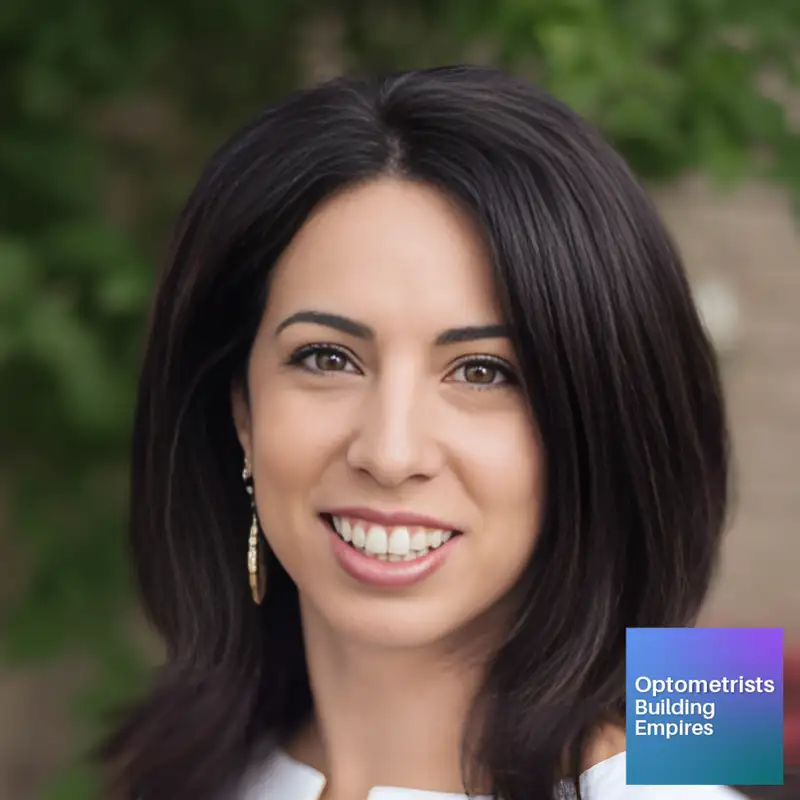
Ankit Patel (2): Today's guest is a highly accomplished optometrist owner and international speaker. She's built a reputation as a leader in pediatric vision development, binocular vision dysfunction, and advanced contact lens care.
She is sought after a key opinion leader and consultant for industry leaders where she trains doctors nationwide in advancements in dry eye treatment, binocular vision, and contact lens innovation. She's optometrist and owner at Birmingham Vision Care and consultant with the Power Practice. Please welcome Dr.
Patricia Poma. Patricia, welcome.
Patricia Poma: Hi. Thank you for having me here today.
Ankit Patel (2): Yeah, I'm excited to have you. I think you bring some interesting perspective to to, to the podcast. Uh, and so what was the most important thing that helped you grow your empire?
Patricia Poma: I, you know, I was thinking about this for a little while, and I think it's vision in general, in life. it's always started with the vision. Um, I come from an immigrant family that came to the United States for a better life, and it was always about what do I do next? What's next? What do I do to get to where I wanna be?
And having that path set forward, um, it, it, you know, we think of it as a linear path. I don't know if you've seen that meme or those reels that show, you know, what, what we think is gonna happen, what actually happens, but, um, you know. You, you, you project linearly, and then you pivot accordingly. Right? Um, so, you know, I am, the prize is, is kind of what I think about.
Like, you know, what is it that you wanna be when you grow up? What does your life look like? And I know this sounds very Oprah esque, you know, with her vision boards and that sort of thing. But the reality is, is you can't get there if you don't know where you're going.
Ankit Patel (2): Hmm. Yeah, I like that. And, and no pun intended, right, with the, with the vision being the most important thing is an optometrist. I like that. Yeah.
Patricia Poma: Or no, maybe pun
Ankit Patel (2): Maybe a pun intended. Okay. Fair enough. Fair enough. I like it. Uh, so, you know, tell me a little bit more about that. Uh, can, would you be able to share your vision and, and what, what does that look like?
let's start with that.
Patricia Poma: and I think it started, you know, ingrained with, you know, parents. Like my parents weren't given, you know, post, you know, from Italy post World War Um, my grandfather was. You know, a, a prisoner of war for nine years, so Right. There's poverty there that, that, that happened due to war. And so my parents weren't able to go to college.
Right. There was, it was, there was no opportunity. And so it was instilled in me that education was the most important thing. And so, you know, but my dad had this vision of. My girls are gonna go to college, but they're gonna get a degree that's employable. And then what does that look like? So, you know, it was okay, I'm gonna get my doctorate.
What am I gonna get my doctorate in? What do I need to get there? Um, you know, what kind of doctorate do I wanna be? And you know, even optometry was the lifestyle.
Ankit Patel (2): Yeah.
Patricia Poma: That's something that, you know, many women, um, appreciate, um, being able to, you know, raise a family. And that was my vision too, coming from those immigrant roots and making cannolis on Christmas day, you know, and that, you know, being able to, to not live by a pager or a hospital schedule, right? And, and so knowing that I wanted that work life balance knowing that I wanted, um, to be my own boss, right? And, and so a lot of professions don't allow that, or a lot of doctors don't have that, that, that. Privilege, right? So, you know, understanding who I was as a person and knowing that with my personality, I, I probably wouldn't be able to work for many people, um, saying that only because I, you know, because of my drive, right?
So. Um, but then it was also, you know, what makes me happy, you know, I did when I bought my practice, um, and, and, and full disclosure, you know, at the time I was looking back, bought my practice, what seemed like so much money at the time, but it was for 33%. I bought my practice for $280,000. And, and, and I say that because, um, I've been offered, you know, without really looking over 10 million now.
Right? So, so to say that like this is, it started with this vision of. Just getting a college education and doing something better than the generations before you is just, look back and I'm like, wow, like this is great. Um, and optometry can do that for you. So. Well, we'll talk about what my, my next passion is later, but, but, um, understanding, you know, what person in that chair made me happy
Ankit Patel (2): Hmm.
Patricia Poma: I saw a patient, what made me have a, a greater patient experience or not so great patient experience. And, and I realized, you know, when I bought my practice that in order to pay my bills and my student loans, I had to work commercially to supplement. And, and, and that did not make my heart happy. Um, certain, certain settings and certain things, you know. Made me dread the day a little more. And so thinking about, you know, when you wake up, what do you get excited for?
And choosing that path to going towards that. So for me, I love seeing vernacular vision, patients, brain injured patients, patients that, that, to me, there's a gratitude there. I don't get with a glaucoma patient that I don't get with a macular degeneration patient. Again, I can see those patients. I know how to practice full scope, but my heart gets happy there. so I think identifying who you are and going towards what is important to you, what makes you smile throughout the day. I think the income and, and, and, um, the success comes later. Now it takes time and energy to get there. talked about how the path isn't linear and sometimes, guess what, I have to see a glaucoma patient, you know? Um, and I do have the honor of having great associate doctors that will see them for me. But in the beginning, I didn't have that privilege. But what I did was, is remembered who I was, what I liked, and put my passion, my marketing, my, my energy towards that.
Ankit Patel (2): I like that.
Patricia Poma: That led the path.
Ankit Patel (2): Yeah. Uh, it, it almost sounds like alignment, right? The vision sort of helped you align with both internal and external, so you're happy with what you're doing now, that I can say.
Patricia Poma: Absolutely. Now, again, it is work and there are days, right. You know, I, I don't wanna make it sound like it's all, you know, rainbows and unicorns, but at the same time, um, you know, we need to choose our happy. Right? We need to choose our hard.
Ankit Patel (2): Yeah, I like that. Choose our heart. That's a really good framing. Is that, so what kind of, as you're building your, your really impressive practice that you have, what um, what did you run into that you didn't expect that was like, oh wow, this was not something I expected that was kind of, uh, either really hard or, or a challenge or it could have been a surprise.
Patricia Poma: Oh gosh, where do we start? Um, it's 20 years in the making. Yeah.
Ankit Patel (2): Yeah.
Patricia Poma: Um, did I expect? The, the one challenge that I think I, I, I'm a very big people person. Um, I fe I feed off people's energy and I, and I feel like I can relate to many. I think it's come 'cause of the humble background that I've come from Creating this passion and, and, and figuring out, you know, with employees, what, how can I make them as passionate as I am? How can I, and, and again, I can't make their happiness, but what can I do to provide for them to create a nurturing environment and teams so we can all share the same vision and. That has been, and it continues to be as, as we evolve generationally and, and as you know, the, the type of person I hired 20 years ago is very different than the type of person I hired today, or, um, or even the, the challenges that, that people bring. Um, so that to me has been, um, difficult. Or challenging, but at, at the same time, very rewarding too because when you find your ride eyes, when you find those that are there for you and, and, and share your vision, and you have true partnership and relationships, people that stay with you for 10, 15 years, um, and, and are just as excited as you are. About whether it's a sale or an accomplishment or a patient who doesn't see double anymore or whatever that means, a kid that puts a pair of glasses on can see for the first time. Um, it, it's, again, just as rewarding. But yes, that is, that is the, the challenge is trying to, you know, especially as the staff gets bigger, how do you reach out and know every single person, you know, whether their dog is sick or their grandma died, or, you know, they're just having a bad day.
You know, how can I. And you know, I try to, you know, every single morning, walk around the office before patient care, say hello and say, how are you? And try to like, you know, reach out to every single person to show that we are what I call a dysfunctional family.
Ankit Patel (2): That's fine. You know, one thing that we do, uh, that, that I, I think you might appreciate this. We have our, our, our VA. We'll find, uh, when they get hired on board, we ask about birthdays of family members, not their birthdays, their kids and their spouses. And then we try to get them something small on their birthdays, uh, and just Amazon something.
And it's a really good way of connecting with, with our staff. Uh, f folks tend to like it. Uh, so that's, that's a kind of a cool, cool, cool little thing that uh, as you grow, as we grew, that that was a helpful thing to kind of help create, keep that sense of community. So.
Patricia Poma: and I think it's important also too, to rotate that through,
Ankit Patel (2): Yeah.
Patricia Poma: Because then it just becomes,
Ankit Patel (2): Yeah.
Patricia Poma: Like the birth, like we, you know, we have birthday
Ankit Patel (2): Just like a check the box. Yeah.
Patricia Poma: Yeah, exactly. Like, so we try to figure out ways to, to. To develop and change what, again, what makes someone happy and that, and that's, you know, I already have a spouse and I feel like I have 30 more.
Right.
Ankit Patel (2): yeah. I know. I, yeah. It, it, it, it can be, leadership is tough, right? That's, they don't tell you how it is until you get it.
Patricia Poma: tough. And I guess, you know, leading into that, it's also very lonely.
Ankit Patel (2): Yeah.
Patricia Poma: Right. And, and, and someone said that to me. I was in college and I was in my sorority. I was a director of standards and ethics, uh, at my sorority. And, and it was, um, you know, that someone, one of the alumni came up to me, she says, it's lonely at the top.
And I hated her for saying that, 'cause it stuck with me.
Ankit Patel (2): Yeah.
Patricia Poma: Reality is, is you know, even though you're surrounded by people who care about you, when it comes down to it. you, it's on you. The responsibility, the, you know, the, you know, have a bunch of single moms that I feel responsible for. If they don't make income, if they don't have health insurance, it's
Ankit Patel (2): You know.
Patricia Poma: Me. And, and so, um. That has also been a challenge, you know, as I've emerged as a leader, even within the industry, helping other optometrists, trying to find a way to fulfill yourself. And I say that 'cause there's so many private practitioners who are single doctor practices. You know, I'm very blessed with a partner in my practice.
Um, I have associate doctors. So it's not as bad, but I think it's really important to remember that you also have to fill your cup. And for the longest time I didn't do that and it, and I paid the consequences for it in some ways. Right.
Ankit Patel (2): So say more about that. What do you, when, when you say fill your cup, I, I kind of have an idea of what you mean, but I wanna kinda hear your perspective.
Patricia Poma: Well, again, you know, knowing your vision obviously, and doing what you like is first, you know, I think that that's, that's filling your cup on a professional level, but on a personal level, when you have to be the one, you know, I, I, I joke around even as a parent, like, you know, you always have to be the get bad guy.
You do it out of goodness for the greater cause, you know, and, and for the children it's, you know, you want them to be good humans one day, but you, you know. You're protecting the practice reputation, you're prac, pre protecting optometry in general because I, I, you know, I as an optometrist feel like I have to stay on my ground and prove that I'm worthy because I'm not ophthalmology.
So there's that challenge every day and trying to, you know, whether it's culture that you're trying to say or discipline in someone or, or guiding them and teaching them, even though they don't want, you know, we change and we pivot maybe the way we do a procedure and, and everyone's used to the old way and Yeah, I have, it's always I feel like me, that has to be the one that. Guides and teaches them that sometimes it would be really nice to, you know, to have someone, you know, say, I've got you, you know,
Ankit Patel (2): Yeah.
Patricia Poma: So, filling my cup, what do I do? Um, I make sure I find time for self care.
Ankit Patel (2): Hmm.
Patricia Poma: It's really important, whether it's reading a book, whether it's getting a massage, which happened today, um, whether it's,
Ankit Patel (2): Mm-hmm.
Patricia Poma: You know, going to work out.
So, you know, I'm, I'm a big weightlifter. Um, I do that because that's where I, you know, I, I'm choosing that over wine, you know, I'm trying to go the healthier route,
Ankit Patel (2): Yeah.
Patricia Poma: Out that, that, that the angst, the, the, the anxiety, the, the stress, the pressure that sometimes you can just throw weight around and, and everybody has their, their, their way to do it.
But making sure that no matter what you carve out a little bit of time throughout your week. To find some time to reflect and be you. Um, yin yoga is another thing that I do, um, because I'm so intense and high energy that it's great. Just to calm down a bit and just, and just reflect. Yeah.
Ankit Patel (2): Nice. Yeah, it's interesting. I, uh, a graduate program, I had a professor who did a lot of work around this. He wrote two books. One was called, um, uh, the Science of Change. That's the newest one, and the other one is becoming a Resonant Leader. Uh,
Patricia Poma: Hmm.
Ankit Patel (2): Both of them talk about the, uh, like you said, right, having enough, um, uh, downtime.
So things like doing compassionate work, doing things like yoga or hobbies, um, doing things that make you feel hopeful, uh, uh, fill your cup up. So it's really cool to hear you say, say those things. Um, how, how you fill your cup up.
Patricia Poma: and I thought, you know, in the, in my, in my younger years, I thought that that wasn't relevant.
Ankit Patel (2): Hmm.
Patricia Poma: I thought that. know, it, wasn't any importance. Like I was taking time away from building and getting to my goals by doing that, that, that was very selfish of me. But I think that comes from, again, I, I keep going back to my background, but you know, my father, in order to provide a better life for his kids worked.
14 hours a day, seven days a week, and during his vacations had side hustles. So I, I would see, 'cause that was, that was what he felt he needed to do to provide a better life for us. And he did. And I'm so grateful for that. But then I, I felt like I was letting my people down by not being on 24 hours a day and thinking, and driving and pushing. And, and that led to like, you know, things like adrenal fatigue for
Ankit Patel (2): Yeah.
Patricia Poma: And anxiety and lack of sleep. And, and things that, that I've learned, like, you know, okay, like we need to, you know, and then having kids when I'm home, to be on, you know, the laundry, the, the, the, the cooking, the this, the that, right?
Whatever that is. Volunteering at the school, right? So, so finding, again, just a better human because of it, because I take, and it doesn't have to be a lot, maybe it's 20 minutes for reflection. Maybe it's, you know, everyone's why is different and every, you know, but, um, but I think it's very, very important. The younger generation, I think is better at this though,
Ankit Patel (2): Yeah,
Patricia Poma: than, you know, I'm considered a xal, so I think that, you know it, that it's, yeah,
Ankit Patel (2): you're speaking my language. Your organ trail generation, huh?
Patricia Poma: yeah, they're, I mean they're, um, you know, they've learned from watching
Ankit Patel (2): Yeah,
Patricia Poma: Right?
Ankit Patel (2): yeah, yeah. I think, yeah, the, I'm also a xal, which for those of you don't know, it's usually like 78 to 83, 84 ish. It's not really hard, fast.
Patricia Poma: my son tells me that doesn't exist. That's not a
Ankit Patel (2): Uh, yeah, I mean, look, I'm, I'm gonna believe it exists. So,
Patricia Poma: Exactly.
Ankit Patel (2): but, so, so, uh, curious, uh, you touched on it briefly. You've got a huge staff. How are you dealing with, or if you're, how are you dealing with staff challenges?
That's a common theme that we're seeing across the board. Uh, if you're not dealing with it, I'm curious to know your secret.
Patricia Poma: No, no, absolutely. Um, first is hire the right person. Don't hire outta desperation and don't allow yourself to get desperate. Easier said than done. Um, right. Um, but again. The vision of what it is that you need and what it is you want. And, um, I truly believe that you have to have common, you know, common and, and I guess that comes with any relationship, right?
How many marriages do you know that someone married because their, their clock was ticking and they're 30, 35 years old and they're like, I, you know, they find someone and, and just to find someone and we, you, everyone can see it's not gonna work, right? So don't do that same thing that you're so worried about just filling a void that, that it's not the right.
Person to, to fill that. So, um, you know, that that person has to have the same core values, the same vision as you, the same, you know, the person that walks in is staring at their watch every second because, you know, they're, they're, they wanna be elsewhere. You know, I think everyone deserves the right to be happy. And, um, and, and I might not, you know, so when I let someone go in my office, it's a chance for them to find their happiness
Ankit Patel (2): Yeah.
Patricia Poma: ' cause clearly they aren't happy with me and they're showing it and they're exhibiting it, and that's not fair to me. And it's not fair to them. Maybe firing them is the best thing that could ever happen to them, because maybe that gives them an opportunity do better.
Ankit Patel (2): Yeah.
Patricia Poma: Find better. Um, you know, and, and, and that changes. And, and so I think it, the biggest thing with staff to, to, in order to keep that happiness is really understanding who each individual is. And again, if you have a lot of staff and you can't do that, then having managers or associate doctors or someone else that is good at that.
But whether it's personality grouping, you know, you, are you a yellow, are you a red or are you an I? And there are all these different types of things, but, um, putting people in roles. That that is adequate for them too. So as I get to know staff members, you know, within their 90 days we look at what they're doing, we get to know them and say, you know, I know you start off as a receptionist, but your attention to detail is so great. Why don't we have you order some contact lenses? Or, why don't we have you do some billing? Because I, you know, you could see that maybe they. Talking to someone on the phone doesn't spark
Ankit Patel (2): Yeah.
Patricia Poma: But the details and them making spreadsheets and organizing things does, and so we start to, to move people around based on that, trying to help them. Um, and, and, and that's been very great. So, you know, they get to see the office and shadow and do, and, and then hopefully, you know, we've had techs become vision therapists. We've had. Um, op, you know, front desk people become opticians. We've had, you know, and it gives them a chance to expand even too. Um, and also provides backup coverage because if they're an optician and all of a sudden someone calls in sick,
Ankit Patel (2): Yeah.
Patricia Poma: To help out for one day.
Yeah. As long as you don't do it too much.
Ankit Patel (2): Well, I, I'm curious, can you share your, like what vision do you share? Like what, what is your vision for the practice? Is that something you would be able to share? Your values, your vision? Just to give people a flavor of what this might look like in practice if they were to have it at their office.
Is,
Patricia Poma: Yeah, so my, my passion is specialty clinics. Um, and actually lately my passion has been, um. Optometry in general. I, I think that we're at crossroads in the profession and, um, I worry about where we're going in the future.
Ankit Patel (2): Hmm.
Patricia Poma: So I, you know, seeing this trend of glasses and contacts and vision plans, um, and insurances isn't, you know, the same old, same olds, not cutting it anymore. And, um, and I don't think a lot of optometrists realize that, and they're waiting for someone to save them. They're waiting for that reimbursement to go up from $30 to $32. Right. And, and so seeing that, you know, I I, I've, I've been very lucky that I started out as a vision therapist in my practice. So that, uh, early on I had a private pay specialty, um, thing that helped me get, you know, get excited about seeing a certain type of subset of patients, but. Within my practice, you know, I have an entrepreneur type personality though, but what, you know, so I, I, I like and I thrive with change. Not everyone's like that. I
Ankit Patel (2): Yep.
Patricia Poma: Been very helpful to me. So, um, getting excited about. Duping, if you will. The system has been my, my, my goal and my passion, um, and finding those that can help me with that.
So that being said, you know, we, we, you know, as I got older, aesthetics maybe became a little bit of a thing in my practice. So we talked about dry eye and we talked about, you know, we have. have things like the ocular procedure that helps tighten skin.
Ankit Patel (2): Yep.
Patricia Poma: We have, so nutrition because there's a huge nutritional aspect.
So now we're doing Omega-3 testing and, and antioxidant testing and selling things like collagen and skincare within our office. Right. That's been super exciting because those are questions that patients were asking me and I didn't have answers to. And as I got, you know, as I get older, those are questions that I have for myself.
Like, how do I fix this? Um, and. And so, you know, it became like knowledge that I wanted, that I'm projecting onto my patients and, and they see how excited I get about helping them with it. That that energy is very contagious. And then that's what success is, right? Like they, if you offer something and you're, you know, I feel like a lot of optometrists are just buying things like an IPL just because that's what everyone else is doing, That's the trend. I'm gonna get one, I need one. they're buying an OCT because in order to have a practice, you have to have an OCT.
Ankit Patel (2): Yeah.
Patricia Poma: But if you're not treating glaucoma or Mac degen, why do you have an OCT, right? Like, what is it that that makes you, again, that patient, that makes you excited, what is it that makes a good experience for you that you leave that exam room smiling
Ankit Patel (2): Yeah.
Patricia Poma: And take that energy and bring it towards that?
'cause patients feel it. You can tell when you're with someone that's really into the conversation or not when you're out to dinner or, or whatever that may be. Right? So,
Ankit Patel (2): Yeah.
Patricia Poma: Know, and, and so, you know, they. they feel your passion and your energy and they get excited and then they leave happy, um, they're happy that with your confidence and they're happy to spend the money in your practice.
Now that being said, glasses and contacts can still be a thing, but again, is that what you're passionate about?
Ankit Patel (2): That's a good question. I, I, I love that. So what I'm hearing is, is that your vision should align. It should be, should be. It should feel, there should be, I'll call alignment, right? You should feel good about where you're going as a practice. You should feel good about the, the things. And, uh, I wanna build on that a little bit.
So you, you kind of touched on it a little bit. So what are you excited about for the industry? So you kind of hinted at it, but what are you most excited about as you move forward?
Patricia Poma: am I excited about? Um, the opportunity. I, I think there's so many more things. Again, we're not just a one or two type
Ankit Patel (2): Hmm.
Patricia Poma: Um. Personally speaking, I think I'm gonna find a greater purpose soon. And, and I don't know what that looks like. My greater purpose and passion is to be to, and I hate to say that it's not gonna be me alone, but to save optometry, um, I'm worried about a lot of the things, commoditization of contact lenses,
Ankit Patel (2): Hmm.
Patricia Poma: Uh, managed care.
I'm wor I've, I've been. Recently kicked off of some medical panels
Ankit Patel (2): Oh really?
Patricia Poma: mm-hmm.
Ankit Patel (2): Wow.
Patricia Poma: I won't take certain vision plans, and so they're tied together. And even though it's illegal, how do you fight that? Right.
Ankit Patel (2): Yeah.
Patricia Poma: Um, I see ophthalmology now hiring, um, nurse practitioners
Ankit Patel (2): Hmm.
Patricia Poma: Do optometry's work. I see. The vertical integration that's happening without, you know, within the industry. I see. And, and, and so, um. I want to help optometry find their passion, find their roots, and I, and I think scope of care is important. do think that, you know, we are capable of doing more, but we have to remember where our roots are and continue to prosper and 'cause our foundation's crumbling. And yet we're trying to build on a, on a faulty foundation just a bit.
So, um, you know, I do a lot of consulting. I go talk to optometrists. I do. You know, go to their offices and try to help them with their practices. And that's been very fulfilling. Um, I'd like to do that on a bigger level. And I, and, and I'm, I'm trying to figure out what that looks like. Um, because I'm, I'm really worried I don't wanna become like, pharmacy.
Ankit Patel (2): Yeah.
Patricia Poma: And I, I do think pharmacy in some ways is making a
comeback. Um, you know, you see these, the compounding, and again, those are people who are passionate about it, right? That that's extra work and extra energy that it takes to compound and that it's not for everyone. Right? Um, you know, the hospitalists, the pharmacists and the hospital, that's, again, it's a different sort of pharmacy too, but it took 20 years right before for it to come and come back a little.
So I don't want optometry to take that huge dip. Um, but I can't be the only one.
Ankit Patel (2): Yeah.
Patricia Poma: I think we need to find our grit. think we need to like, you know, like find some, a little bit of grit and kind of, you know, um, put some elbow grease in it. And, um, I'm not sure that's gonna happen, but I, I, I would like us to wake up a little.
Ankit Patel (2): Well, I, I love what you're saying in terms of, so I'm hearing a couple interesting things that I haven't heard before. So you kind of just slipped it in there. But you said you basically do blood testing for Omega-3 levels with people.
Patricia Poma: we do.
Ankit Patel (2): Yeah. So do you do other blood tests or do you do like other type of panels?
Patricia Poma: Um, not too much the blood testing. So I, I have to practice within my scope, so
Ankit Patel (2): Yeah,
Patricia Poma: technically not blood testing anyone. The
Ankit Patel (2): correct. Yeah.
Patricia Poma: Yeah. Well this, I, I have to be careful 'cause
Ankit Patel (2): You have to go get you request.
Patricia Poma: No, no. They, the, the patient actually, um, pokes their, their own skin. It's a little skin prick
Ankit Patel (2): Oh, interesting. Okay.
Patricia Poma: And then they, they blot, um, they blot, uh. Three little circles and that gets turned into the lab, and then we test.
Ankit Patel (2): Okay.
Patricia Poma: I, I get really tired of talk. I mean, I do talk about omega threes and how there's the yl ester versus the natural triglyceride and inflammatory chains and all these things, and we don't regulate supplements.
And, and so finally, instead of arguing with patients, I say. There's a lot of garbage out there. Let's test the supplement you're taking and see if it's performing. If it's not performing, then we'll go ahead and make changes and see how that, you know, and, and, and, and so, you know, kind of putting money where my mouth is, right?
Like in the sense of like, you know, because patients are like, oh, I'm taking an Omega-3, but they're not really
Ankit Patel (2): It is not enough or not the right type. Yeah.
Patricia Poma: It's not the right kind. It's not, you know. So now I'm like, okay, let's prove it. Let's see. Let's see how well you're doing, because I'm not seeing the results on your eyes.
Ankit Patel (2): Is that part of like just a dry eye, uh, treatment protocol that you do?
Patricia Poma: part of what we do for our dry. Yeah, exactly. Not, you know, not everyone patient, not every patient does that part of it, but is an option within our, within our office that we do. Yeah,
Ankit Patel (2): like that. Yeah. And obviously, you know, I, I just assumed you partnered with the lab and said, okay, go pay for this lab over there at Quest or wherever and come back. But it sounds, that sounds pretty cool. You have integrated a little bit better with your practices,
Patricia Poma: Yeah. Absolutely.
Ankit Patel (2): Within the scope of what you're allowed to practice within your state.
Patricia Poma: Within
Ankit Patel (2): Yeah.
Patricia Poma: So,
Ankit Patel (2): Yeah.
Patricia Poma: Know, the patient has to poke their own finger. Um. Which is interesting because they can have their cousin poke their finger if they're afraid. But yet I can't do it. But you know, here we are. Semantics.
Ankit Patel (2): Fair enough. Fair enough. Well, you know, we don't wanna break any laws, so that's,
Patricia Poma: no. If I'm gonna break a law, that's not the one I'm breaking.
Ankit Patel (2): yeah. Yeah. Fair enough. And so, you know, I wanted to get your perspective too, 'cause you do, we did mention that you do do consulting with the power practice and now you do, you know, you, you see a lot of practices. What are you seeing as general, uh, themes?
That optometrists across the country that you work with are doing well and the main thing that you see that are opportunities that you see consistent?
Patricia Poma: So what they're doing Well,
Ankit Patel (2): Yeah.
Patricia Poma: Optometrists are a very, very smart group of individuals.
Ankit Patel (2): Mm-hmm.
Patricia Poma: I think their knowledge base and their, you know, I think that it's inbred in us that we have to be. Smart. We have to know our things. We need to be better. Um, is it it it's instilled in us in school because, you know, we are a legislated right profession and we have a lot of people that don't want us doing what we're doing.
Right? There are some states in which you can't prescribe narcotics. There are some states in which glaucoma may be, you know, there's restrictions, right? Um, and so I think we're very good at, at, at paying attention during CE for the most part, and, and doing all the right things and, and reading the journal articles and getting the knowledge base. What I think we are. What we could use help in is adapting to change again, um, taking that knowledge and, and explaining things to patients and communicating. Um, we're very good at buying instruments and buying the latest technology, but we're not good at implementing what we're doing. We know what we should do. Um, but we're afraid, we're afraid to ask for, we're afraid to ask for an eye exam, that that costs more than $30. We're afraid to get someone to pay $2,000 cash for an IPL. We're afraid to charge our worth and our fees because we're afraid people won't come back. We wanna be light. Um, and then, um, other challenge that I'm noticing recently is with the cold starts, um, it's, and this is a generational thing, um, that we're, you know, the, the, the. Those not all. I, I wanna, I wanna be careful that not everyone's the same, but, um, it's the, the mantra of work smarter not harder is, is, is what goes around and what a lot of the, the younger generation says, but at the same time, you have to work hard so you can get smart. They forgot that portion. So, you know, here have cold starts that wanna be like a million dollars in debt because they want everything and they wanna, they wanna, they, they. don't wanna put the time in. They wanna work from 10 to two, make $500,000 a year. And, and, and, and, and, and you know, they want to, um, uh, contract out every single thing. And I'm like, well, no, your employees can do that. You have to teach 'em how to do well, I have to teach 'em, let me hire someone to teach 'em.
You know, and, and so to, to put, you have to put that time and energy again. We need that little bit of grit. That hard work that needs to go in. So then later, right, you have to invest in that 401k before you get the, the end result. And they're kind of like, well, I went to school and I passed boards, and I'm like, yes, I understand
Ankit Patel (2): I put a shingle up.
Patricia Poma: I'm a million dollars in debt.
But you have to, you know, get, get your hands dirty a little bit, right.
Ankit Patel (2): One thing I've learned from running other businesses and this one too, uh, is that. I have to at least know exactly what good looks like in each job before I can let someone else do it or train it or manage it. So I knew what to do, what what to what, what, what I wanted from that person. 'cause it's very hard for me to clarify, hey, I as a man, what do I want from my manager or my practices, but gm, right?
It's like, wow, if I haven't done it before, I don't understand. I don't know. So I think, I think that's something that I made a mistake when I was younger for sure. That like, oh, you know, I'll just like find someone else who's an expert and I don't have to worry about that. But like, okay, no, I kind of do have to worry about that part.
Patricia Poma: Yeah, I think everybody wants to be like the CEO right away. And, and again, it, there, it's a, it's, it's, it's amazing once you get there, but at the same time, we're in the, we're in the, if you think about, you know, where we are as a society, we are the generation or recent years. We are the ones that get like HelloFresh or we have the lawn service, we have the cleaning person, we have the, we have some, we have a guy. always, no matter what the task is, there's a guy that does that for me, right? Um, this service, that subscription that. And so when you, when you start a business, a cold start, especially with limited fees and limited patience, you gotta be the guy
Ankit Patel (2): Yeah.
Patricia Poma: Little bit. You know, there are things that maybe again, and here I am talking on both sides of my mouth because I'm like, follow your
Ankit Patel (2): Yeah.
Patricia Poma: And, you know, do these things. at the same time, you know, you have to make mistakes and learn from them and look at the income you have. You can't, you can't spend, like, you're a huge practice when you're not yet. Right. And it's good to, to get and feel and, and, and, and that's how you figure out who you are and what you know, and how you're gonna build is by being in the trenches just for a little while.
Ankit Patel (2): Yeah, I like that. Um, and as, uh, you know, one thing I see that's common in a lot of the optometry is, is uh, not as much focus on getting more patients in the door outside of referral, right? Like outside of just, you know, getting on insurance panels and using digital. Right. And one of the most effective things that we find is boots on the ground, like going to networking events locally, spot going to like.
Races or whatever skin even face out locally. And that's, you're right, that's like a lost art. It is like even, even more established for new practices tend to struggle. Don't want to do that as much.
Patricia Poma: Well, I think that's, this is like a post COVID thing in general, especially.
Ankit Patel (2): Hmm.
Patricia Poma: You know, listen, I mean, we're doing a podcast right now.
Ankit Patel (2): Yeah.
Patricia Poma: We're, this is where we're getting information from our phones, right? We're virtual ce and, and you know, these drug reps are begging us to come to dinners and no one's going to dinners anymore to get information.
Right. And you're right. I think it's important to forge relationships and in general, you know, my, my son just started college and I, and I was asking him like who he's met, and he is like, and I said, well, you just walk around the hallways and when you see an open door, you wave. He's like, mom, no one has her door open anymore.
Ankit Patel (2): Hmm.
Patricia Poma: It doesn't happen, you know,
Ankit Patel (2): Okay.
Patricia Poma: So we're, and I get that again, finding that me time. I just, you know, again, talking outta both sides of my mouth, that's important. But it's also important, like for example, I, you know, I, I mentioned how I don't like to treat glaucoma,
Ankit Patel (2): Yeah.
Patricia Poma: That is not my thing. Um, and, and so I have an associate doctor that does that for me.
But before the associate doctor. You know, I could forge a relationship with another optometrist that maybe loved glaucoma,
Ankit Patel (2): Hmm.
Patricia Poma: Them patients and then them send me pediatric patients that, that maybe they don't like to see.
Ankit Patel (2): Yeah.
Patricia Poma: Forming these partnerships and these connections, know, is very, very important.
And, and, and, and that's not happening anymore. You're absolutely right. Like that we're all kind of isolated, again, lonely at the top, and, and I think people need to. back to our roots of going and forming this community because I think together we can change the profession to something better and work against these threats that are kind of looming in
Ankit Patel (2): Yeah. Yeah. Okay. That's, that's pretty, um, I think that's pretty insightful. Uh, so let's shift gears a little bit. I, I, I'm kind of curious to, you told us a couple of stories that made you who you are. Can you tell me, share another story with the, with the, with the audience of, of something that was really made you who you are today?
A formative story could have been when you were younger, older, but, uh, something that you're like, yeah, viscerally that, that, that is something that formed me into the person I'm today.
Patricia Poma: who made me today? You know, I I, it's funny 'cause my mom looked at me the other day and she says, Patricia, when's enough? Enough?
Ankit Patel (2): Hmm.
Patricia Poma: When are, you know, when are you going to, to just sit back and, and enjoy and, and it, and I, and I, and I kind of, um. I looked at it and I'm like, I don't know. That's a hard question.
Right. You know, so, so when, when do you, when do you cash in your chips? When do you, you know, do something different and, or, um, you know, relax a little bit and just, and, and, and, you know, but part of it's enjoying the hustle. So, um, there's that fine balance. You know, I have, uh, my favorite aunt keeled over and died at 47 of an aneurysm.
So I guess that's a story I'll tell you. And remembering that, you know, working hard is important, but also again, that, that life take the vacations, um, you know, enjoy your family tomorrow isn't promised. And, and so, you know, staying true. You know, like if, if tomorrow would end, did I do all the things that I wanna do?
Ankit Patel (2): Yeah, that's, you know, it's interesting 'cause I think, um, especially most folks listening to this, if they're mid-career, probably have that question at some point too. That's, I am sorry to hear about your aunt.
Patricia Poma: No. No, it, but it was, it was, it was it, you know, and, and yeah, it was very sad. It's still sad. Um, but at the same time, it molded me in that way to, to, to stop and look up every once in a while because I wasn't, as I mentioned before, I was at, you know, following my dad's footsteps of working nonstop.
I mean, you know. When I bought my practice, there were, there was a point in time where I, I had to borrow money from my son to pay the bills. Right? So Right. Working Sundays commercially, even like working seven days a week trying to, to hustle and, and make it. And I'm proud of that because I think that. Someone said to me, you're so lucky. And I said, well, maybe there is a little bit of luck, right? There's that, but there's also been a lot of sacrifice and time. But I do think that, you know, for someone like me, there are others I feel like need a little hustle. They need to work a couple Sundays, you know? Um, but at the same time, I, I, I wanna stop and make sure that when I look back that I don't, you know, wish I had more time with my sons or wish I had more time with my husband or my family, or, or just like, like doing things that I just enjoy doing.
Ankit Patel (2): Yeah, that's, um, I, I think that's a valuable lesson for everyone, to be honest.
Patricia Poma: Yeah. I mean, you know, it's, it's morbid a little bit, but at the same time, um, you know, we need to live for today. I was always living for tomorrow, and so this is, this is what my friends call Patricia 2.0.
Ankit Patel (2): Hmm. Uh, so, uh, with all these insights that you've had, what advice would you give to your younger self right after you graduated OD school?
Patricia Poma: Oh gosh. Stop doubting yourself.
Ankit Patel (2): Hmm.
Patricia Poma: There's a little bit of imposter syndrome that happens. Like, who do you think you are? Why do you deserve this? Um, just believing, you know, believing in myself and I, but I think that, that, that insecurities is what drove me, almost proving to myself that I was worthy enough to,
Ankit Patel (2): Oh.
Patricia Poma: To make it somewhere. Um, so it's not a bad thing, But at the same time, don't worry so much. You're gonna be okay. And I think in the long run, everything in life happens for a reason. And, and it builds who you are and who you become. But I wish I would've worried a lot less. I wish I would've, I would've been a little more, um, secure in myself and knowing that, that it, everything was gonna be okay. Yeah.
Ankit Patel (2): That's good insight. And so Patricia, if people wanna get in touch with you, uh, where can they find you?
Patricia Poma: Well, I'm on LinkedIn, um, for there and then, um, my email address is D-R-P-O-M a@birminghamvision.com.
Ankit Patel (2): And we'll put that in the, um, uh, show notes as well for people we get in touch with you. And, um, just Birmingham, not the one in Alabama. The one in Michigan.
Patricia Poma: Michigan.
Ankit Patel (2): Yeah. Say
Patricia Poma: Detroit Grit.
Ankit Patel (2): yeah. Yeah. Uh, so thank you again, uh, Dr. Pomo for being on the show.
Patricia Poma: Well, thank you for having me. It was an enjoyable time. I appreciate you.
Ankit Patel (2): Yeah. I appreciate you too. And I want to share a little bit of what I took from this conversation. Uh, what I saw is a, uh, vision being the theme that ties the thread across the, your, your span of your career. So the, the inspiration from your grandparents, uh, tying into your why, a deep seated why into, Hey, uh, I'm gonna make this successful.
No matter what and you, your why has been the thing that has been able to overcome a lot of the really hard challenges you've face in growing your practice. Uh, and that why is also not just a pie in the sky. It really resonates and it's very visceral for you. Uh, and it's like, okay, it's very aligned, uh, with what you were saying.
Like, Hey man, I don't like glaucoma, so I'm gonna have partnerships with that. Right? Um, and, and, you know, I'm gonna figure out how to do the job. And yeah, it's worked sometimes, but it's important because of my, my bigger why is what's, what's driving me, not the fact that I don't wanna do this work right now.
Uh, and so I see that as a consistent theme. And it's interesting because your, uh, uh, later in life you saw your aunt. You know, passing that sort of like you said, uh, Patricia 2.0 with hey, being present, you know, not forgetting your why, why it's not always about the future, but it's also about the present now.
And so it's interesting to see that transformation o over time in your career. I'm really excited to see what else you bring to the industry, so, so thank you for that.
Patricia Poma: Well, thank you.
Ankit Patel (2): And, and thank you audience, uh, for listening. And if you learn something or laughed, uh, please share the podcast with a friend and make sure you hit the light, uh, subscribe button to never miss an episode.
And if you use the HubSpot link in the show notes to book a meeting, I'll send you a free copy of my book. Optometry Redefine. Uh, thank you again, uh, Patricia, and this has been another exciting episode of Optometrist Building Empires. We'll see you next time.
Creators and Guests