A Better Way to Practice Optometry - Kara Foster - Optometrists Building Empires - Episode # 076
OBE_Kara Foster
===
[00:00:00]
Kara Foster: I realized that I didn't open my practice just to be kind of bossed around by the insurance companies.
Um, so I thought I'm gonna go ahead and drop all insurance
people just wanna be heard and, and understood.
And most people would just think, Hey, like you're just here for glasses or contact lenses. No, there's so much more to it.
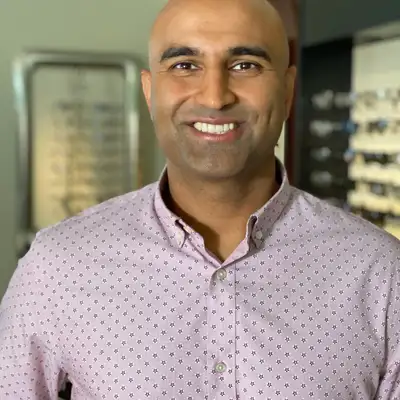
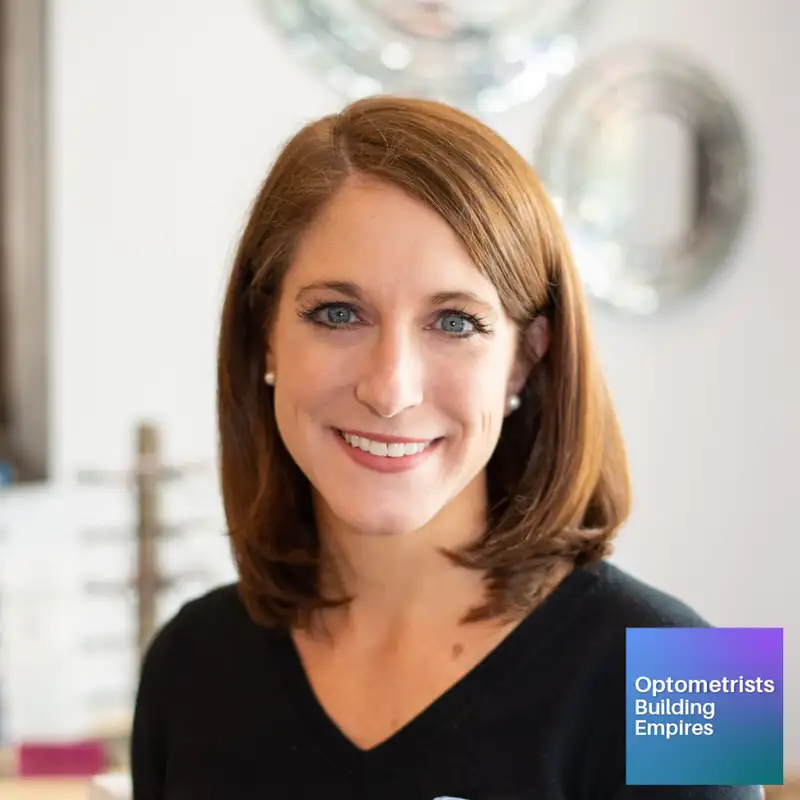
Ankit Patel: Today's guest is someone I'm excited to learn more about and really excited to learn about what she's doing in the field right now. She's an optometrist, entrepreneur, and nationally recognized advocate for patient centered insurance free healthcare. She leads direct care consulting where she mentors healthcare [00:01:00] professionals across the country and transitioning to purpose-driven direct care models. On top of that, she's a president of North Carolina Volunteer Optometric Services for Humanity, a nonprofit providing free vision care to underserved populations locally and internationally. She's a newly elected Holly Springs, North Carolina City council member trying to create healthcare reform starting at the local level. She's optometrist and owner of iCare for you, please welcome Dr. Kara Foster. Kara welcome.
Kara Foster: Thank you. Thank you so much for having me. I'm excited to be able to share the message and hopefully get other optometrists, you know, moving in this direction. Optometrists and healthcare providers in general.
Ankit Patel: Yeah. I, I, I'm, I'm excited to dive into, to, to you and your, what you're doing right now, and always curious about what was the most important thing that helped you grow your empire?
Kara Foster: You know, really just feeling that I could. Opt out of the insurance system and still be able to [00:02:00] take good care of my patients and, and be successful. You know, I decided after I opened my practice in 2015, I realized that I didn't open my practice just to be kind of bossed around by the insurance companies.
Um, so I thought I'm gonna go ahead and drop all insurance, going so fantastic that I am, I wanted to have other people do it too, and I, and I do kind of feel like now, even more so in the last couple months or a year or so, people are really starting to understand how challenging working within the insurance network is and how, if we could.
Opt out of that, then we can create a better healthcare system. So that's kind of driven me into more of like the, you know, policy, um, running for town council, educating doctors about it. So it's, it's all a work in progress, but I, I think it's a worthwhile cause.
Ankit Patel: Yeah, I've got so many questions. Lemme start off with, when you say drop insurances, do you mean vision and medical or just vision or which, which ones are you talking about?
Kara Foster: Um, yeah, so I dropped all of it because, um, and I, and I actually know that I probably could have kept taking medical and it would be okay. Um, but I really wanted to [00:03:00] have it be a. Sort of like I was creating a movement, so I called it like, um, direct eye care. Well, we don't take any insurance. We charge flat rates across the board.
It feels like, to me it feels like an easier, easier, more straightforward, like, to me, kind of like a more honest way to practice because patients mostly not because of providers, but because patients don't really understand the way the insurance system works and as they think you're like nickel and dimming them, when really that's what we're forced to do.
So to me, I felt like it was a way that I could. Explain it to patients better. And it was also a way that I could explain to people why I was dropping all the insurance plans, just I'm opting out, I'm creating a better system for everybody. And it, to me, it just made more sense to explain it to people that way.
So,
Ankit Patel: Yeah, I, I think you're honest something, 'cause I tell my staff all the time, like, look, it's taking you six months just to learn how to read this insurance. What do you
Kara Foster: yeah.
Ankit Patel: do you think a patient's gonna understand in like 20
Kara Foster: Yeah, it's confusing.
Ankit Patel: it is confusing. And so there's a lot of challenges I'm sure you faced.
What were some of the most memorable ones and challenges that you faced when you [00:04:00] were doing this that you didn't expect that you would run into?
Kara Foster: Um, you know, I, I found that the, the most, the biggest challenge even still moving forward is just explaining it in the right way to patients. So, thankfully, I have. Super amazing team right now, but as anybody who's hired, anybody knows this, that's not always the case. Um, it's hard to hire people and find the right team, but when you have the right team and you have a really good, um, staff that can explain why you're doing this and how we can take better care of people.
'cause, I mean, I could do the best job in the world, but if I'm not getting the people back to my exam room and it, it takes a lot of extra explaining. So I would say that's the biggest challenge is. Spending the time with people on the upfront explaining why it will be better for them. 'cause most of our patients do have insurance and they have to understand why they're paying an out of, out of network, um, uh, fee.
So,
Ankit Patel: know, I think, Um, that was really insightful. Like, hey, the staff makes a big deal. We hear that theme a lot on this podcast. So what, what, uh, what is it about the staff that you really [00:05:00] love right now?
Kara Foster: Um, well, I just have a really, um, amazing team. So I decided on my last go round of finding the right people, which has been several years. I've had a good team for a while now. but I wanted to hire for personality, not for experience. because you just can't train a good personality. I mean, you can try, but it's not the same as somebody who's just willing to jump right in.
And to me it's very important to have my team be, Knowing that I'll support them, but be able to make those decisions on their own. I am not a micromanager. I don't wanna, I don't want to, I want people to be able to feel like they can, do a good job, take care of the patients, and not feel like they have to, report back to me for everything.
So,
Ankit Patel: I, I think that's a really cool approach is I kind of did, did, uh, was it delegate
Kara Foster: yeah. Yeah. yeah.
Ankit Patel: Did you hear that term? Yeah. Yeah.
And, and with that, so can, can you tell me some of the nuances and if someone is just listening, is thinking like, Hey, I kind of wanna do that, I wanna get off of insurance panels. Um, what are some of the things that you [00:06:00] have to do operationally or in like practical implementations that, oh, you know what, this is something that we have to do that we didn't really necessarily have to before. Like, you kind of hinted at it. The staff has to be able to communicate and talk to people about what, why, and what it's like.
Can you, can you dive into some things like that a little bit more?
Kara Foster: Uh, sure. I mean, I, I really think that it's important to. Have a really good care, right? Because if they're just, if you're just going through like the motions and you're sending people room to room, and you're not spending time with people, you're not doing the extra ex explanation in the exam room, extra explanation on the, at the phone and optical.
Um, then I, I don't really know. The people will see the value in it. I think it's really building that value in, um, because, you know, we're all, especially in private practice, optometry, we're trying to do that. It's just telling the people. So in the exam room, I go through everything that I'm doing. I do a lot of the pretest, my on my own, but not all of it.
But, um, but I just like to talk through everything that I'm doing, um, so that they know because we're doing it anyway. I will say I do, um, because I'm out of network and I'm able to, [00:07:00] um, I. Include my photos and I do a screener OCT scan and I do it on people every year. So I spend the first part like explaining that I tell them what we can see inside the eyes.
How we can see inside the eyes is a detection for so many early systemic, um, health issues going on. So I try to build the value in optometry and the importance of having annual eye exams and that too, but I think. It all comes down to education, educating people on the phone about why going out of network will benefit them, educating them in the exam room, and just kind of talking 'em through the process.
I wouldn't say that we're very super, um, like concierge. We just spend time with people and listen to them. I mean, people just wanna be heard and, and understood. And we probably do get a lot of like the hand holder, uh, high needs patients, but. I mean, they're so loyal and such wonderful patients. They appreciate us so much, and we can do that be, and the people need that.
There's those people out there who need that. Um, you know, and I wanna be able to be that problem solver for people. So,
Ankit Patel: And, and you work with other clinics that to do this, right? And, and I'm curious, is [00:08:00] that right? Sorry,
Kara Foster: Yeah, I do. I have a primary care, not in eyecare for the most part. I mean, I, well, so I do try to help educate. I talk to, uh, other like pro optometrists to be able to kind of help move them in this direction. But as far as like referrals, yes, I do have a couple primary care doctors who refer to me.
Ankit Patel: Nice. And then, uh, do you help other optometrists get off of panels
Kara Foster: Yeah, I try to, I try to, I feel like it's just such a fear. Um, and it's a fear for patients too. 'cause everybody we're so ingrained with like insurance and why we have to be on it and why we have to take it. But we don't. And I think that the healthcare system right now in general. People are starting to understand it a little bit better, that we don't need to be in network with insurance.
Well, maybe they don't understand that, but they understand that the system isn't working. So now is a way, a time for us to be able to educate people about it. So, which is kind of what prompted me doing my town, whole town council thing. So,
Ankit Patel: Let's touch on that a little bit 'cause I'm curious, you, you, uh, you, you, you wanted to join the council. What was your vision for joining that and, and why do that?
Kara Foster: Uh, well, I mean, my family thinks I'm a crazy person, [00:09:00] but I think so I have been practicing, I've been practicing in the area that I've been in for 17 years. I've had my practice for 10 years and I have been out of network for about nine years of that. So, um. Over time, you just see how people, I, I've been seeing people for so long here now that I can see how the health insurance or the health industry right now is not helping patients.
People are getting sicker. People who I've grown to know and because I have due direct care, I have more time to spend with people. So I really, I feel like I know them really well. I feel like they're my friends and I don't like seeing people getting unhealthier,
Ankit Patel: Yeah.
Kara Foster: And just not being able to live like through their retirement and like they want to.
So, um. So I, I am trying to educate, um, optometrists on how to drop insurance. But yes, it's important for optometry, but I believe we have to start with primary care because when I have time to spend with people, I can educate them. And the studies show that people who have direct primary care doctors have better, like lower blood pressure, better blood sugar management, [00:10:00] like just overall, like less depression, lower medication, because they have, they trust their providers, they have time to spend with them.
Um, so. I heard about a county in North Carolina here, who I'm in North Carolina, um, that, uh. Dropped all insurance for, I mean, they had a high catastrophic coverage, but they switched their municipal employees over to a direct primary care program. And the results were like amazing. Like it saved the county money, but it also had huge benefits for the, the, um, employees as well.
So I kind of put together a plan about how can we start that in my town, um, which is growing and it's a pretty well known town in the area. And if I was able to get on council, if we started that. For the, our municipal employees, we can extend it as a benefit for the residents of the town. And then who knows, maybe we could create this little ripple effect.
Um, I mean, I just had a primary or a, a pain specialist MD in today who, um, we were, we started kind of talking about. Just how hard it is to work [00:11:00] in the insurance. I mean, he has been so busy that he doesn't even wanna practice anymore. He's a register, he's an anesthesiologist by trade. He has his own pain clinic now.
He has five minutes to spend with patients and he spends so much time charting. He says he wants to sell his practice and be done with it. So I told him, let's work with like, let's find a way that we can create, 'cause I'm gonna have to create a network of like specialists. Um, within a direct primary care.
But anyway, it's just, we gotta start somewhere. We have to start somewhere. And I felt like this was a good platform to be able to move in that direction. So, and who knows, you know, if we don't try, we're never gonna know
Ankit Patel: Yeah, that's, um, I, it's really cool. So, uh, can you talk to me, so I think we skipped over this a little bit, but.
Kara Foster: I,
Ankit Patel: What I,
heard there was you wanted to affect change with primary care first. Um, and that, that's interesting. Say more about
Kara Foster: well.
Ankit Patel: Did I hear that?
Kara Foster: Yes. Yeah, well, I, I mean, I think that studies show that, um, direct primary care, which is just, you know, I think people sometimes confuse it with like, concierge care, but it's different. It's just like a, you pay a primary care doctor who doesn't take [00:12:00] insurance at all, a low monthly fee, and you can see them, like, you can text them and see them like during business hours.
It's not like you can call 'em in the middle of the night. But, um, it's just basically the way I do eyecare. Just totally out of network with primary care. So, and you also can get your medications through them as well. So it's, they charge you their price for medications. So it's a fraction of the cost.
Just so when you go out of that with, um, insurance. Then you, it's a huge cost savings overall for both the patient and, um, in healthcare costs too. So,
Ankit Patel: Yeah.
Kara Foster: And I mean, think about all the extra healthy years you're adding when you're overall healthier. So, um, better lifespan, better more time with your family.
Um, so there's a lot of studies out there showing how much. Um, better these direct primary care results are, and I, I think iCare is, of course, I wanna do this, but I think it has to start somewhere and starting at primary care is the base, so, and then kind of expand that outward, so,
Ankit Patel: [00:13:00] You, you said you've, you, a lot of your referrals come from primary
Kara Foster: yeah. Mm-hmm.
Ankit Patel: Yeah.
Kara Foster: Yeah.
Ankit Patel: So tell, tell us about how you're getting these patients beside, like, can you talk to, because like I know that the number one common way people get patients now if is insurance panels or, or I found you on Google, but that's usually because they looked you on insurance panel first, then they Googled you, right?
Kara Foster: That's what I thought. And that's what they told me when I went out of network. But most of our referrals are, yes, from Google, but a lot from like word of mouth too. So just from spending more time with people and, and when a patient's friend refers them, um, and they call us and they say, well, you don't take my insurance, but because I've already heard that.
What the kind of care that they can expect, then they're more willing to listen. But, you know, insurance panels say if you don't take your insurance and those people aren't gonna come to you, and I found that that's not true. So I think that that's sort of like the, the myth that you have to take insurance to be able to get patients, but that's not what I found in practice.
Ankit Patel: Yeah, so you, you're delivering a really high [00:14:00] level of care. Patients feel that they do care about them. They, they like coming to see you, you'll hold their hand and you're getting a lot of referrals. That's, that's what I'm hearing is, is you're your way, you're kind of building your business and then you know you have good reputation online. well as in the community.
Kara Foster: Mm-hmm. Yeah. Yeah. So it's a lot of word of mouth, but I feel like in general, when you open a cold start practice, that's how it is. You get a lot of word of mouth referrals. So, um, yeah, you just gotta spend time with people and, you know, I, I know, and anybody who's seeing patients knows it's just a nicer way to do it if you have that time to spend with people.
Like it's, it's nicer.
Ankit Patel: And, and, and just so people don't understand the scope and scale that you're at, I believe you have more than one doctor at your
Kara Foster: Yeah, I have a part-time associate. Yeah.
Ankit Patel: So you have a little bit over one Dr.
Kara Foster: Mm-hmm.
Ankit Patel: on
Kara Foster: Mm-hmm.
Ankit Patel: per day. Right.
Kara Foster: Yeah. Yep.
Ankit Patel: yeah. Yeah. And so I think that it is important to note because it's not just some, like, it's, you're not at a boutique level where you're seeing like four or five patients a
Kara Foster: No.
Ankit Patel: You've got enough volume to justify over one whole [00:15:00] doctor needed per
Kara Foster: Yeah. Yeah. And I probably could do a little bit more and expand, but, you know, and it goes to like, people say like, oh, do you wanna expand? But I, I don't really, because I enjoy being smaller. I like being able to provide this level of care, so that's part of it too. I, I wanna keep it small, so
Ankit Patel: Fair enough.
Kara Foster: Yeah,
Ankit Patel: And when we talk about building empires, that's part of it,
Kara Foster: yeah,
Ankit Patel: how do, what do you, what do you want to get from your life? You know?
Kara Foster: yeah.
Ankit Patel: it's Sometimes it's just like, Hey, I wanna enjoy my
Kara Foster: Yeah. Yeah.
Ankit Patel: able to give good care.
Kara Foster: Yeah. I opened my practice to have a good quality of life. I had a patient the other day who was giving me a hard time for not starting until nine, but I was like, look, I wanna be able to get my kids to school and get them on the bus, and that's why I opened up my practice and that's what I'm gonna do.
He was like, oh, okay. So that's why I did this.
Ankit Patel: So, you know right now a lot of folks are having challenges. Well, you know, they're having two challenges. You've solved one of 'em, uh, the, the reimbursement challenge. So you're like, yeah, we're not playing that game.
Kara Foster: Mm-hmm.
Ankit Patel: But what about staffing challenges? Are you facing staffing challenges right now? Like ev most other folks?
Kara Foster: Um, I have been very [00:16:00] fortunate, but I also think because I don't, because of the, the way I hire people, I think that that helps, you know, and I also, because I'm not having to deal with insurances, I mean, I,
Ankit Patel: Um.
Kara Foster: There's a certain type of patient I feel like that gives staff a hard time about insurance that I don't have.
Um, you know, people. Uh, I think that I have a better work environment sometimes. And that makes it a little bit easier to have less staffing challenges.
Ankit Patel: And le less administrative
Kara Foster: Absolutely. Yes.
Ankit Patel: So how you don't have to worry about filing this to VSP
Kara Foster: No.
Ankit Patel: the glass,
Kara Foster: No. And then following up and then having to listen to patients calls about like, is this covered? Is that covered? Nope. We just say, here's what's, you know.
Well, and we do submit it out of network for people, but we just tell them, Hey, you'll get it back to your insur, or you'll get it back in like six to eight weeks. And if you don't call your insurance company. And uh, that's, it works. So, so we're having to deal with a lot less phone calls and administrative work, which is a lot of the headaches and challenges I think that [00:17:00] providers face with trying to find staffing.
So.
Ankit Patel: Yeah, and depending on your size, we see typically, uh, anywhere from, you know, where you are right now, anywhere from half a person to one and a half person full-time equivalent, working just on admin insurance, depending on what kind of model you
Kara Foster: Mm-hmm.
Ankit Patel: like that. So yeah, that, that helps with reducing complexity for sure.
Kara Foster: Yeah. Yeah. I just have three employees that can support, um, two doctors. Yeah. So, um, and one, you know, I do think it helps to have a second optician. So I have an office manager slash optician, and she, um. Jumps in wherever. So, uh, but yeah, it's a great team,
Ankit Patel: so.
you, you've seen a lot from both a regulation, regulatory standpoint locally. Um, you follow the news a lot, I'm sure, with regulation and healthcare,
Kara Foster: Mm-hmm.
Ankit Patel: What are you most excited about for let's, let's talk about optometry specifically. What are you most excited about optometry.
Kara Foster: I feel like we have a really unique opportunity. Like, and this might not be really like what you're going, where you were going with this, but I feel like as eyecare providers, we have a [00:18:00] really unique opportunity to be able to explain to patient like we, how excited I'm getting. Um, we can, uh. We have an opportunity to really change the future of healthcare by explaining to patients what we can see inside the eyes and how we can be really early detectors of systemic disease.
So like I show my patients their pictures and I explain to them, and I, I've started in the last maybe, I don't know, a year. Explaining even in more detail about how we can be early detectors of systemic problems. And a lot of patients come to see us on a regular basis so they don't go to see their regular doctors.
So we can really position ourselves as holistic, um, fun, not functional, but like, uh, just more whole body health that most people would just think, Hey, like you're just here for glasses or contact lenses. No, there's so much more to it. And this is an opportunity because we can take fundus photos and show it to them.
We can explain it in a way that I don't think anyone else really can. So I would like to see optometry helping move in a [00:19:00] direction of prevention because I don't believe that our healthcare system is moving in the right direction for patients. So we can use that. We can be like this greater good for healthcare in general.
Mm-hmm. Mm-hmm. Mm-hmm.
Ankit Patel: that, uh, I think it was OCT scan, they could pick up potentially heart issues.
Kara Foster: Yeah.
Ankit Patel: From O CT
Kara Foster: Yeah.
Ankit Patel: And so I imagine that's gonna because, uh, re and you're the doctor, not me, but I I, is this correct that the, the eye cells are turn over the fastest
Kara Foster: Yeah.
Ankit Patel: Yeah. and they're most sensitive to change, so
Kara Foster: Yes.
Ankit Patel: That's why optometrist can pick up diabetic retinopathy and
Kara Foster: Yeah.
Ankit Patel: before other people can.
Kara Foster: And a lot of people don't realize that. So if I do photos and scans over time, then I can show people that, and you know, now if I've been doing them for like 10 years on patients, I mean, and they really [00:20:00] appreciate it too, having that historical data. So, and it's come up a few times that, um, I've even sent like the records.
Maybe something has come up at like another doctor's office. Like I had a guy recently who had like some neurological issue going on and they said they did an OCT at like this specialist office that he was at, and uh, they said, oh, I don't know, it's a little bit unusual. And I said, no, his has been unusual like that for 10 years.
And because I had been doing that, even though there was nothing to watch for, I could send that to them and it, it helped. So, so stuff like that. Yeah, it's great to have.
Ankit Patel: Yeah. And it might be something for folks who are listening, who are wanting to grow, that's actually a good point of the photos is not just avoiding dilation, it's preventative healthcare. And as technology gets better, if we can probably see better things,
uh.
Kara Foster: Yeah, I still dilate people.
Ankit Patel: Well, Yeah. that's true. But I
Kara Foster: Yeah.
Ankit Patel: uh, uh, it's a lot of offices will still
Kara Foster: Mm-hmm.
Ankit Patel: people like, oh, this is the advantage of getting the, uh, wide angle fundus or something.
Kara Foster: Mm-hmm.
Ankit Patel: though technically dilation. Yes. Standard of care. And we do the same thing in our
Kara Foster: Yeah. Yeah. Well, I guess, um, because I can include it, um, I, I just like, I tell 'em [00:21:00] like, you're getting dilated, but I'm taking this picture too, so Yeah.
Ankit Patel: the full
Kara Foster: Yep. I'm making you do it all, so
Ankit Patel: don't make 'em cycle, do you? So.
Kara Foster: I know. No,
Ankit Patel: I just kidding.
Kara Foster: uh,
Ankit Patel: fun.
Kara Foster: yeah.
Ankit Patel: I'm sure they wouldn't enjoy it, but, uh, so as far as, um, what's, Um, what are you excited about for, for, for your practice personally in your local area? 'cause you're involved in the politics too, side a little bit in policymaking.
What are you excited about for you personally and your business and your quote unquote?
Kara Foster: Um, gosh, I dunno. I just, I'm excited to see the healthcare system improve. I, I feel like I have been. Practicing this way long enough now that the patients who come to see me, like I believe that they are part of like the mission here. Like they also believe in what we're doing here and, and I think that we can really like, make a difference.
So, I don't know. I mean, it just is nice to be able to feel like we're working towards something, something that we're improving the system. So, um, when I ran for town council, the, um, the guy who got elected mayor said to me, [00:22:00] he's like, well, you seem kind of like anti-establishment. And I'm like, I mean, I guess a little bit.
I don't know. I just, I think it's worth it to try and make a better system. So, yeah.
Ankit Patel: Can you share with us some stories from that that you're able to share? Because I'm, I'm sure listeners are curious to hear like, what's your experience like on, on the council,
like
Kara Foster: you know what I just got? Um, it's pretty cool. Like, so running, um, running for election was a totally different experience. I had no idea like how. Partisan, a nonpartisan election could be. And, and a lot of people didn't want me to talk about healthcare because they say, oh, people don't understand it and they don't understand.
But I feel like it's a good opportunity for us to be able to educate people. That's why I wanted to do it. It's a, it's a fantastic platform to just get the message out there and be able to create some healthcare reform. And who knows if I can, if I can't, then okay. But at least I tried. Um, but um, you know, really the elections were just.
Last month. So I just got elected, I got sworn in this past Tuesday, which was a pretty cool experience. [00:23:00] Uh, and uh, now I'm just kind of working on slowly putting together like not slowly, like I'm putting together like some policies on how to present it to you, the council to be able to start this. Um, but also, um, you know, creating a network too, of.
Because we can't really start it if we don't have a network of, of specialists in primary care that we can branch out to and refer people to. So, um, but I mean, across the board, doctors. Are tired of insurance, tired of the micromanaging, and you don't get into healthcare to be micromanaged or to have to submit prior authorizations.
Like, we wanna take care of our patients. And that's what this is returning to. It's, it's kind of crazy that my, uh, advanced idea of like the future of medicine is really just take medicine from like 75 years ago and that's what we need to go back to, you know? So, but I mean, I, I think it's worth it to try so,
Ankit Patel: that's
Kara Foster: yeah.
Ankit Patel: and maybe we should have you back on in a year or two, hear
Kara Foster: Person. Yeah.
Ankit Patel: I'm curious to see how it
Kara Foster: Yeah.
Ankit Patel: um, so shifting [00:24:00] gears a little
Kara Foster: Mm-hmm.
Ankit Patel: Uh, you have a unique perspective and the way you've tackled the industry has been unique. What's, can, can you share us a story that was formative for you? Like who made you, who you are today? It could have been when you were younger, could have been more recent, but something that resonates with you says, oh Yeah.
That really shaped me to who I am or shaped my worldview.
Kara Foster: Hmm. Well, gosh, um, I have always been kind of like, uh. I don't know, like, I kind of feel like a think outside the box person. You know? I don't know where it came from. Um, I was raised by, um, I was raised by a single mom and my grandma, and, um, my grandma worked, uh, she actually worked at the assembly line for like, um.
Uh, general Motors. Um, so she did like Chevy Electrical on the assembly line years ago back in Ohio. Um, and, uh, I don't know. I just feel like I've seen these women be such hard workers and, you know, work their whole lives, uh, trying really hard to just provide for their family [00:25:00] that I just want to make it.
I don't know. I've always been very like female empowerment and I have three girls of my own and I just, it's very important to me to, uh. To work towards that. Um, so I don't know. I think just seeing such a hard worker growing up has made me always wanna, like, I I, I love getting out there and going to work and tuck in patients and, and trying to create like a better life for people.
So,
Ankit Patel: That's awesome. That's, I appreciate you sharing
Kara Foster: yeah. Yeah.
Ankit Patel: Uh, so. If, going back time travel a little bit, what advice would you give to your younger self? Uh, if you were to go back, let's say a week after graduating OD school, what advice would you give to your younger, uh, Dr. Foster who just became newly, uh, a new doctor?
Kara Foster: Um, I would've told myself to go ahead and just open my practice right off the bat. I worked as an associate for the first six years and, um, you know, and I also would've not taken insurance to begin with. Uh, I think a lot of times you get in, it gets in your head that you need to take insurance or [00:26:00] that's where you get your patients through or the insurance panels and maybe you might grow a little bit more slowly, um, but at the same time, you're actually getting paid versus having to wait three months or whatever for reimbursement.
That's. You know, a third of what you expected it to be. So, um, so you, if you could see one patient for the three insurance that you would see and still end up about the same. Um, so yeah, I, I, I wish I would've started right off the bat with that. Um, but, uh, but you know, it's, it's all a learning curve, so.
Ankit Patel: Hey, you know, I wanna, I wanna touch on that too because it actually touches on a, uh, one concept that I don't hear so.
much in optometry is the, um, uh, the cash conversion cycle. 'cause there is a little bit of retail.
Kara Foster: Yeah, that's true. Mm-hmm. '
Ankit Patel: Cause you know, you're not getting paid until three months,
Kara Foster: Yeah.
Ankit Patel: have stuff you have to pay for,
Kara Foster: Mm-hmm.
Ankit Patel: you
Kara Foster: Frames, yeah. Mm-hmm.
Ankit Patel: That are moving. So if you have the capital to do that, you have more money in the bank
account 'cause you got paid up
Kara Foster: well, and how stressful is it opening a cold start practice and then you see all these [00:27:00] patients and you're really excited and you have like $60 that you did that day. You know, it's like stressful. So even if you saw like six patients and you, they paid you like $125 each, even if they didn't buy any glasses, at least you've got like 700 some dollars in the bank.
You know, it might not be a lot, but it's. It's better than like the little bit and then you get the, you're having to, you know, go through this like headache of figuring out like how to bill and then it gets rejected and then you're sending it back. And I mean, people don't, uh, open their practices to do stuff like that.
It's to take care of patients and doing it this way is the way to do that. I think, you know, with less headache.
Ankit Patel: Yeah. and when you get bigger, you have the time value of money too. So at your size. Uh, you have probably extra cash than someone who's a comparable size in terms of revenue. Uh, but you have more cash in the bank because you get it upfront and then you can do interesting things like put in a bond ladder or invest it or
Kara Foster: Yeah.
Ankit Patel: it is in savings.
You get extra return on money so it compounds.
Kara Foster: true. Yeah, that's true. Um, but yeah, it's just, it's nice to have that money in the bank at the end of the day [00:28:00] versus having to wait forever. And then, I mean, I've had, I'm not the only one who's had this, I've had multifocal contact lens fits that I've billed for a church like $130 for and got like a $5 reimbursement check for it.
It's like that doesn't pay the bills and you can't spend the kind of time that you want with patients to be able to do that. So
Ankit Patel: exactly. Well, uh, Kara, curious, if people wanna reach out to you and find out more, where can they find you or reach out to you?
Kara Foster: Um, okay. So I, uh, put together a website, which is just my name od, which is kara foster od.com, um, where I have been putting together all, everything that I'm working on, um, like the direct care stuff, the policy, um, I have my podcast on there, which I'm trying to educate like. People on how to drop it, insurance, but also it's kind of meant for patients too to help understand the, um, kind of direct care model.
Uh, so I put it all together on this website here and I'm hoping that I can kind of like get that word out there more to be able to. Spread the news about how we can do a better job in [00:29:00] healthcare in general. So yes, care foster od.com. Um, you could also email me at that at care foster od@gmail.com. Uh, or I have a contact me form on that website as well.
So
Ankit Patel: Perfect. And we'll put all that in
Kara Foster: cool.
Ankit Patel: notes
as
Kara Foster: Okay.
Ankit Patel: for
Kara Foster: Thank you.
Ankit Patel: So, um, well, Kara, Thank you.
so much for being a
Kara Foster: Thank you. Yeah, I appreciate you having me, and you know, I would love to help people however I can. I think that it's a worthwhile cause and if anybody wants to reach out to me, please feel free to do it. I'm happy to talk to you.
Ankit Patel: Yeah. And, and one of my per personal takeaways from this is that, Hey, you know what? Don't be scared to drop insurance panels. Right? It's, it's definitely not, you.
know, there,
Kara Foster: Mm-hmm.
Ankit Patel: out there for folks like yourself. Um, and, and if you, if you wanna do it, it's not as scary as it seems
Kara Foster: Mm-hmm. Mm-hmm. Mm-hmm. They make you think to be scared, but you don't have to be. I can help you.
Ankit Patel: Awesome. Thank you.
Kara Foster: Yeah. Thank you.
Ankit Patel: and Thank you audience. If you.
list, if you learn something or laugh, please share the podcast with a friend and make sure to hit the subscribe button so you don't miss an [00:30:00] episode. And use the HubSpot link in the show notes to book a meeting with me and we'll send you a free copy of my book.
Optometry Redefine. thank you again Dr. Foster, and this has been another exciting episode of Optometrist Building Empires.
Kara Foster: Thank
Creators and Guests